

Nuclear Weapons
The Stanley Center advances risk reduction solutions to help states prevent the use of nuclear weapons.
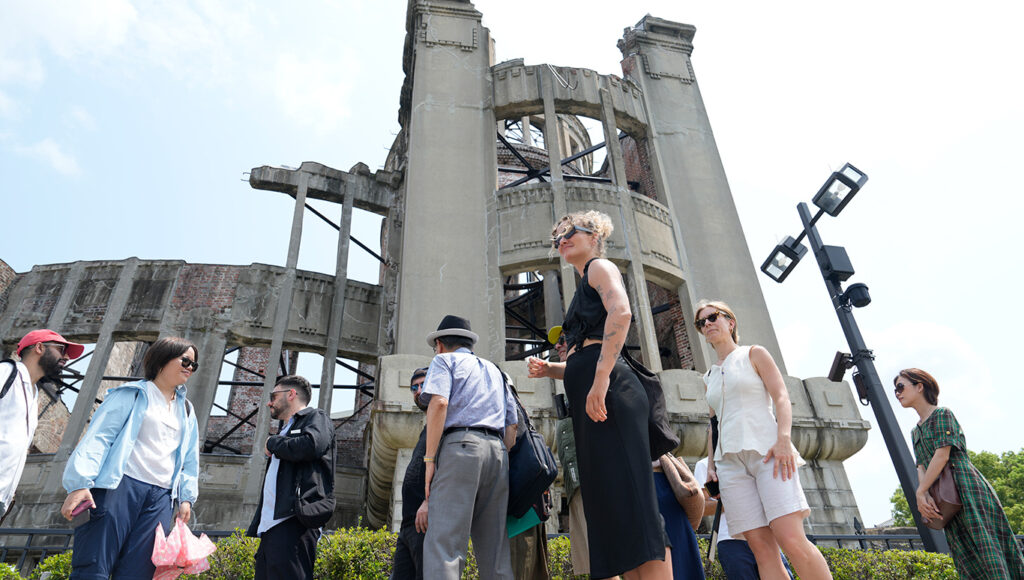
Elevating approaches and pathways to nuclear risk reduction is urgent—but possible.
The danger of nuclear weapons is more salient today than it has been in a generation. Security and political relationships among potential nuclear adversaries are worsening. Many of the treaties, institutions, and cooperative arrangements that helped keep the nuclear threat at bay have atrophied, lapsed, or been dismantled. These challenges are growing more complex as states develop and apply emerging technologies in ways that intensify risks to international peace and security.
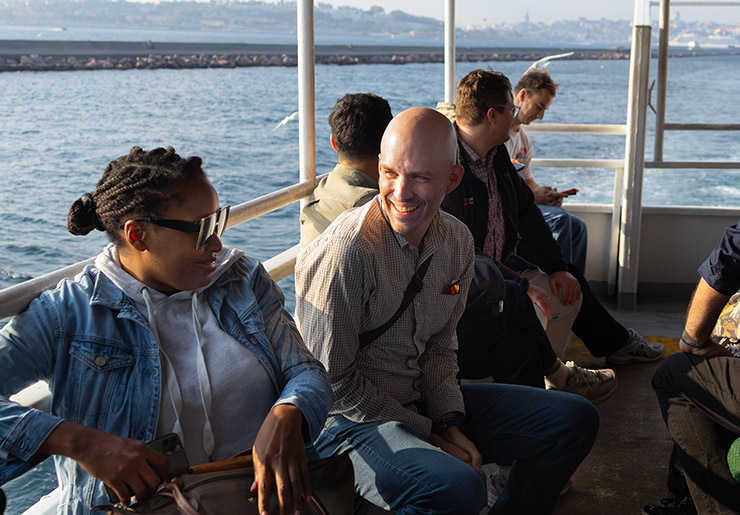

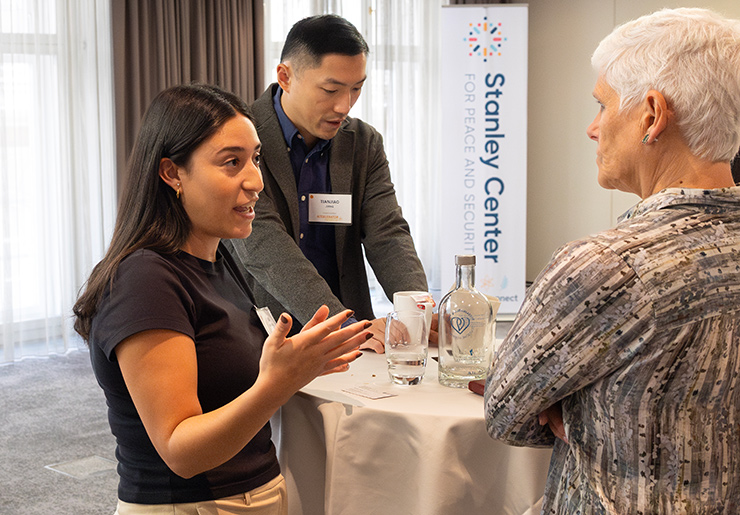
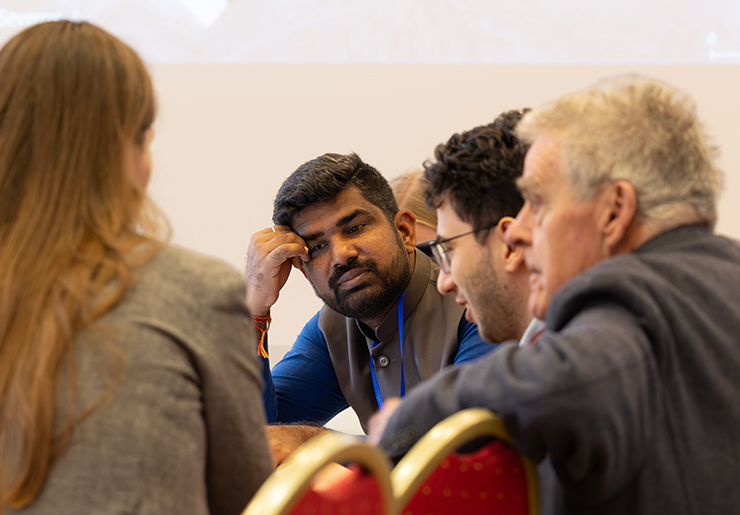

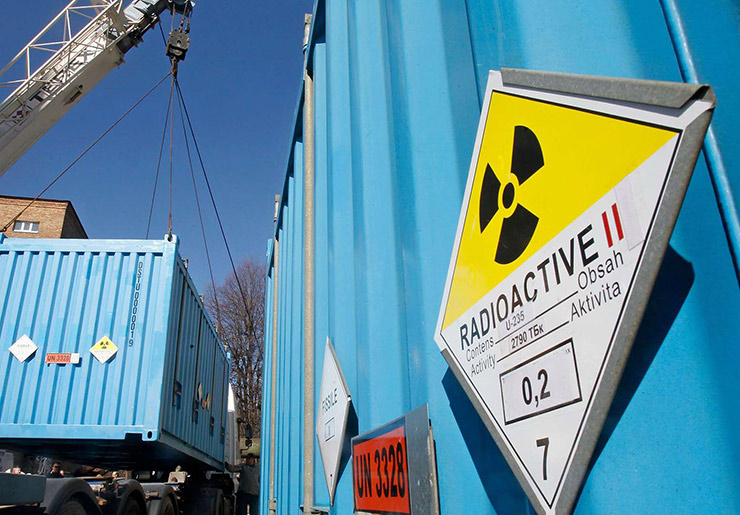
The Stanley Center believes that we can elevate existing approaches and adapt them for other challenges toward risk reduction, and that in doing so, we can nurture progress toward a safer world for all. But this work is urgent, and it will require expanded involvement from stakeholders in both nuclear and nonnuclear states.
Our Goals
There is more we can and should be doing to reduce nuclear risk. Risk reduction centers in the United States and Russia, incidents-at-sea agreements, and hotline systems have proven effective and important components of the risk reduction ecosystem. We seek to learn from these approaches and better integrate them into global efforts.
Report
Nuclear Risk Reduction Centers: A Stable Channel in Unstable Times
This paper explores the history of NRRCs in the United States and Russia, considers their performance, and presents ideas for expanding on the NRRC concept to enhance risk reduction.
Today’s arms control environment differs from the past. Political challenges and new technologies have transformed how states interact. This new environment requires creative thinking to develop new policy ideas and also to adapt workable solutions from years past to the modern era.
Report
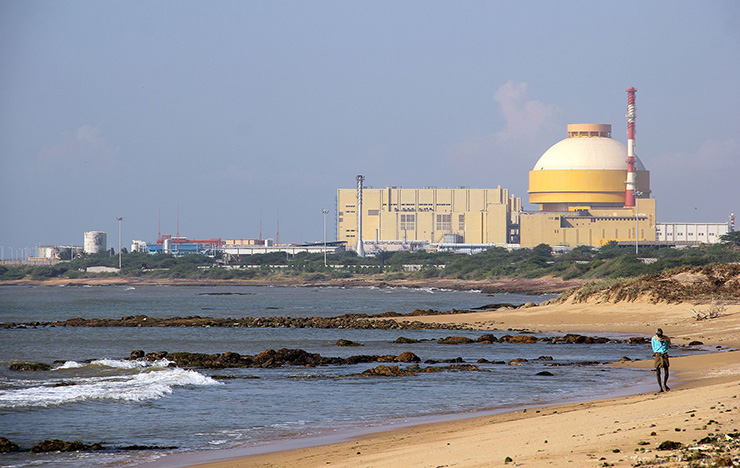
Through the Sands of Time: The Enduring Legacy of the India-Pakistan Non-Attack Agreement
This paper is an evaluation of the Agreement on the Prohibition of Attack against Nuclear Installations and Facilities between the Republic of India and the Islamic Republic of Pakistan, informally called the Non-Attack Agreement.
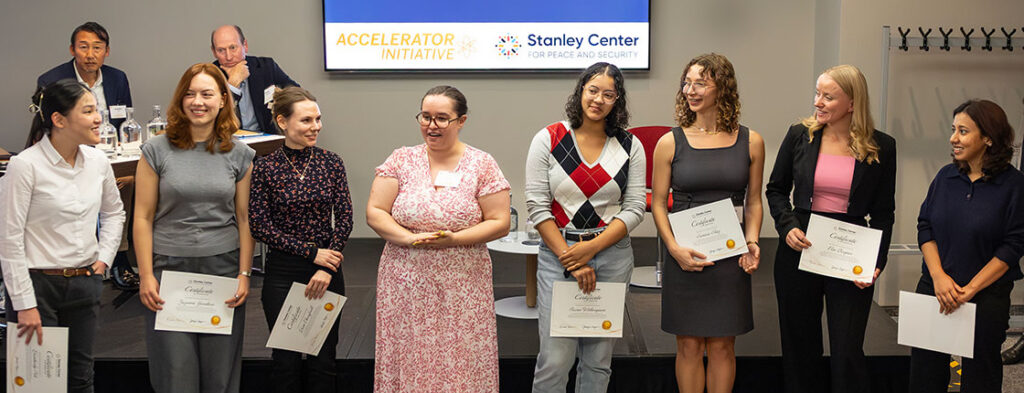
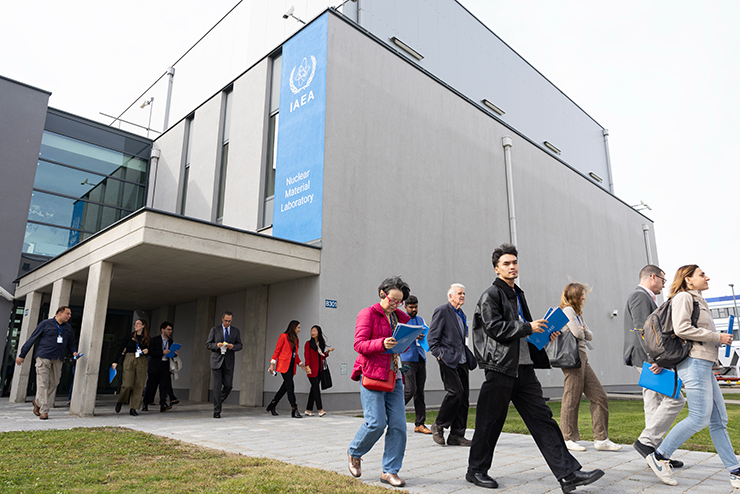
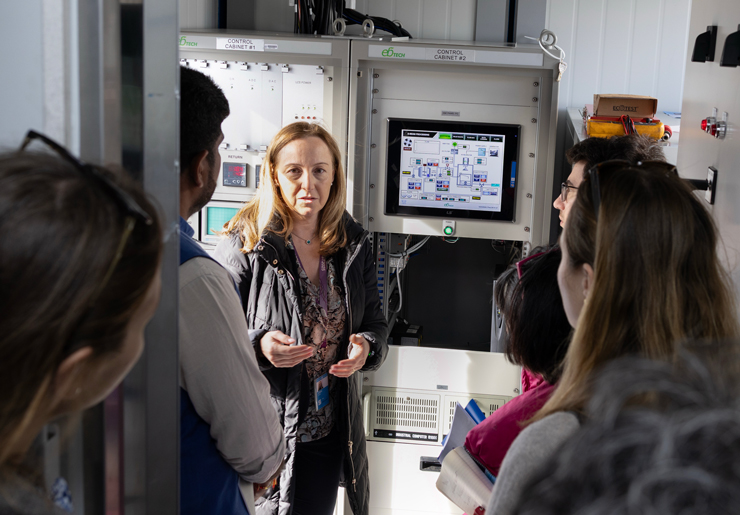
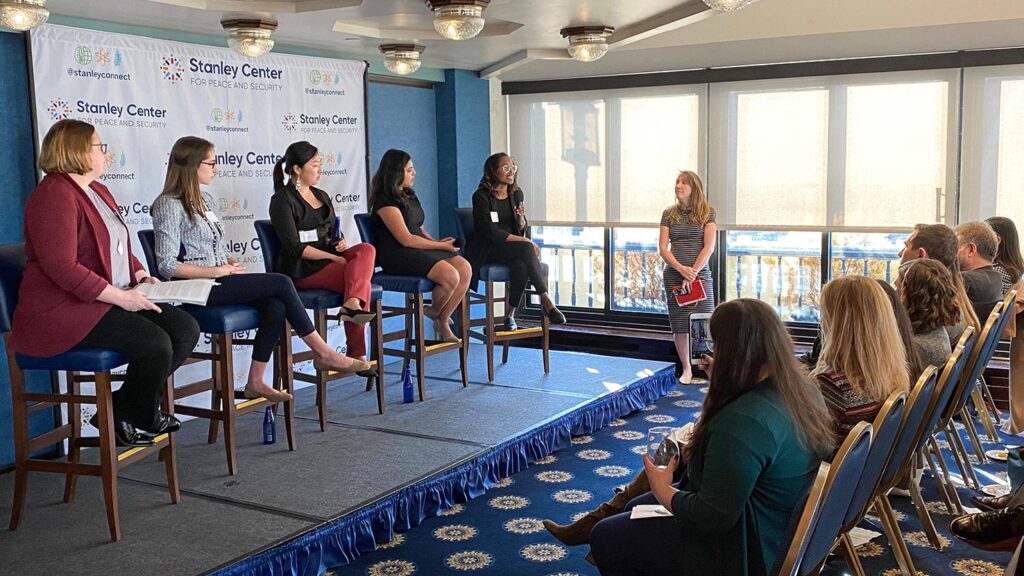
Navigating this new era of nuclear challenges will require expanding the stakeholders engaging with policy and ensuring they are equipped to analyze, shape, and sustain solutions. Together with partners, the Stanley Center organizes fellowships, trainings, and convenings that cultivate the next generation of nuclear weapons policy practitioners.
Convening
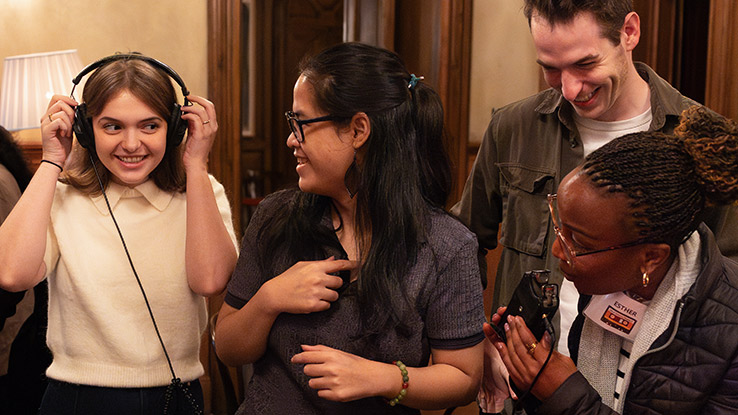
Open Source Intelligence IRL
The event for open source practitioners allowed participants to collaboratively identify, create a research design for, and resolve specific analytical challenges on nuclear weapons issues, and aimed to strengthen collaboration and communication among the cohort.
How we accomplish our goals
The Stanley Center brings together stakeholders from around the globe to exchange ideas, elevate marginalized voices, and take collective action to address three global challenges: mitigating climate change, avoiding the use of nuclear weapons, and preventing mass violence and atrocities.
Stanley Center team members are knowledgeable, strategic, and catalytic. But above all, we are partners, and we are committed to listening, learning, and, in consultation with those most affected by our work, charting a path forward toward peace.
Events
June 22-26, 2026
2026 Open Source Nuclear Analysis WorkshopMarch 26, 2026
Salon Dinner on Oral History and Risk ReductionNovember 2-8, 2025
Adventures in Risk Reduction: Oral History ProjectSubscribe for the Latest News & Publications

Questions about our work? Interested in collaborating?
Contact a member of our team working on nuclear weapon risk reduction.
Are you a journalist or in media?
In addition to our efforts to drive policy progress, the Stanley Center creates media trainings and forums, facilitates reporting fellowships, and regularly invites journalists to share their unique perspectives in policy conversations. Learn more about how to get involved.