

Mass Violence & Atrocities
The Stanley Center is committed to early, structural interventions that can prevent identity-based mass violence and atrocities.
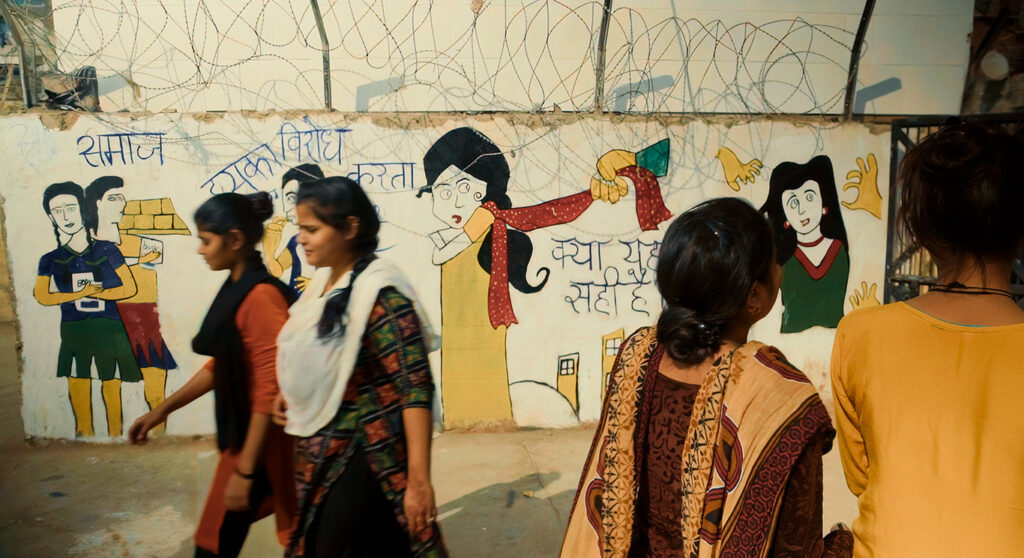
We partner to amplify structural approaches that address and prevent identity-based mass violence.
The Stanley Center is committed to generating networks, space, and information for leaders to understand and implement early, structural interventions that can prevent identity-based mass violence and atrocities.
Mass violence is a process, but not inevitable. At any time, steps can be taken to prevent violence in all forms. And while preventive measures are important at every stage—from early efforts to address systemic risk factors to downstream efforts that repair, bring justice, heal trauma, and prevent recurrence—the Stanley Center fosters innovation and collaboration that emphasize the need for strategies that focus on early, structural prevention within societies.
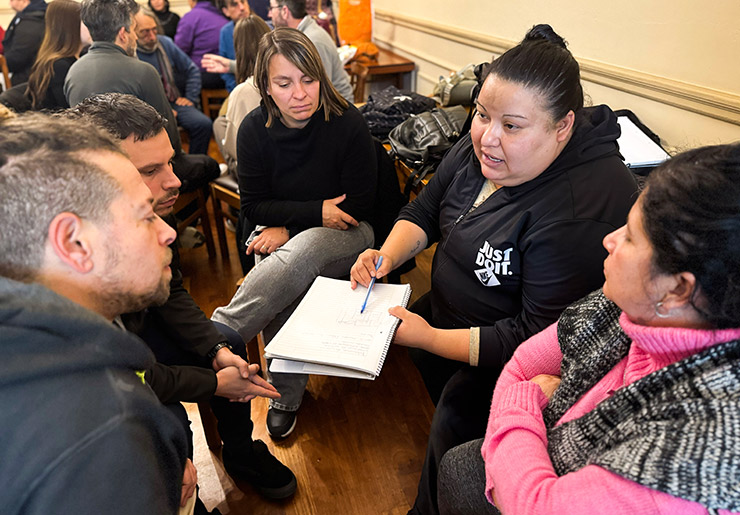
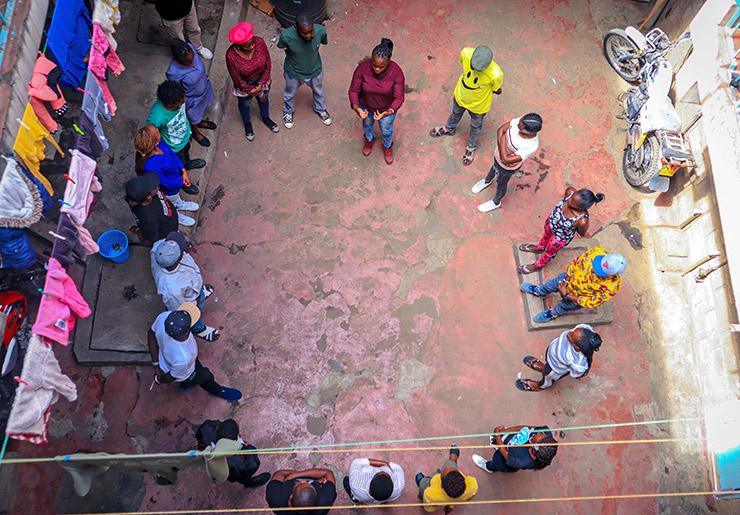
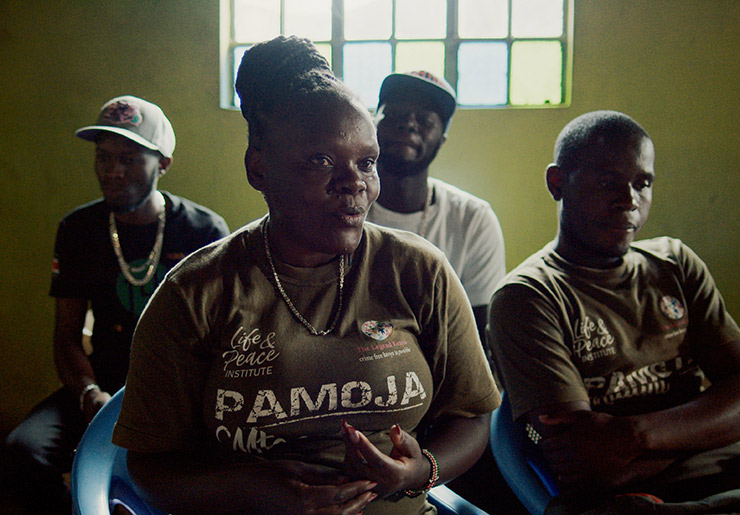

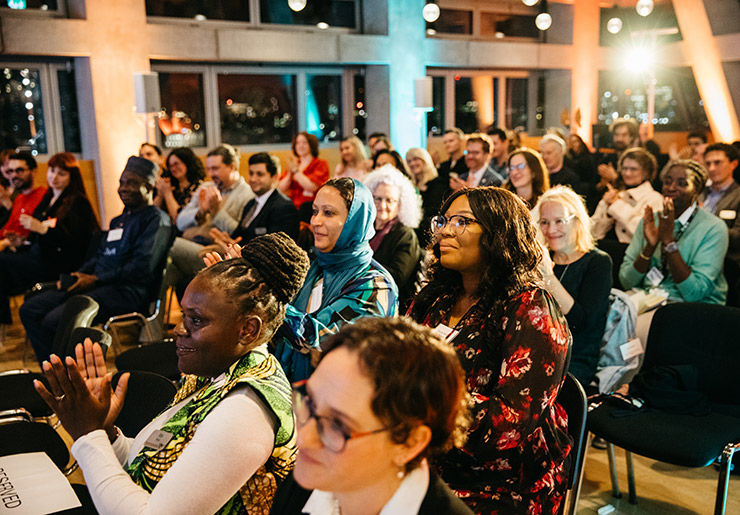
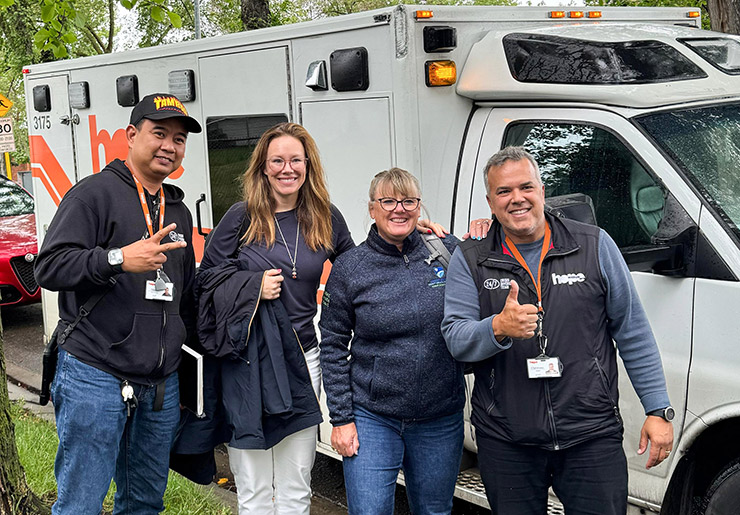

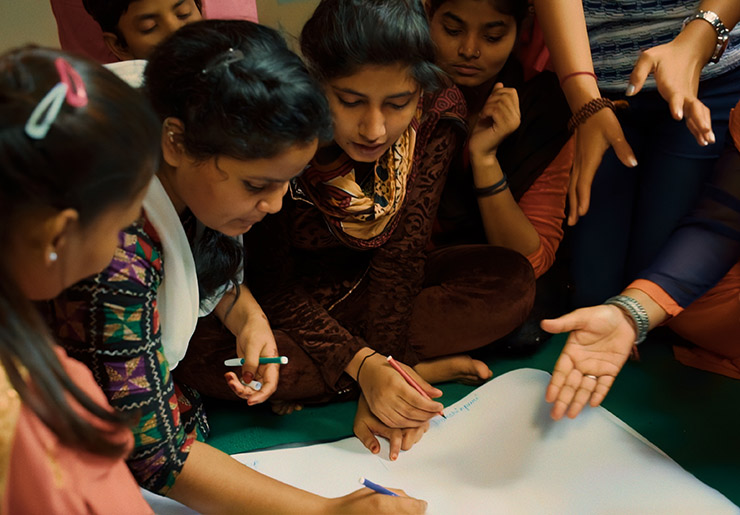


Effective prevention requires a collective, whole-of-society approach. We engage stakeholders from government, civil society, and the private sector on intersectional, evidence-based policy solutions. We know the best way toward safe and resilient societies is through genuine and effective partnerships led by local expertise, including marginalized groups. Local government and nongovernment actors are essential agents of change and must be engaged on the path to prevention. The understanding that individual and collective experiences are shaped by overlapping identities and systems of oppression is fundamental.
Our Goals
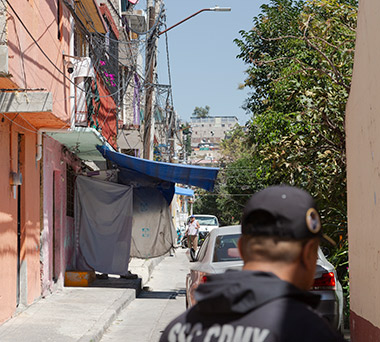
Today, most instances of lethal violence take place in locations traditionally considered at peace—yet this violence has not been given sufficient attention. We seek to foster and learn with network initiatives that equip sub-national leaders with evidence and tools to reduce and prevent violence within their own cities.

Report
Lessons from Effective Offices of Violence Prevention
This report from Peace in Our Cities, a platform jointly facilitated by the Stanley Center and the Center for International Cooperation’s Pathfinders program at New York University, reviews best practices of effective Offices of Violence Prevention.
Program
City Exchange Programs
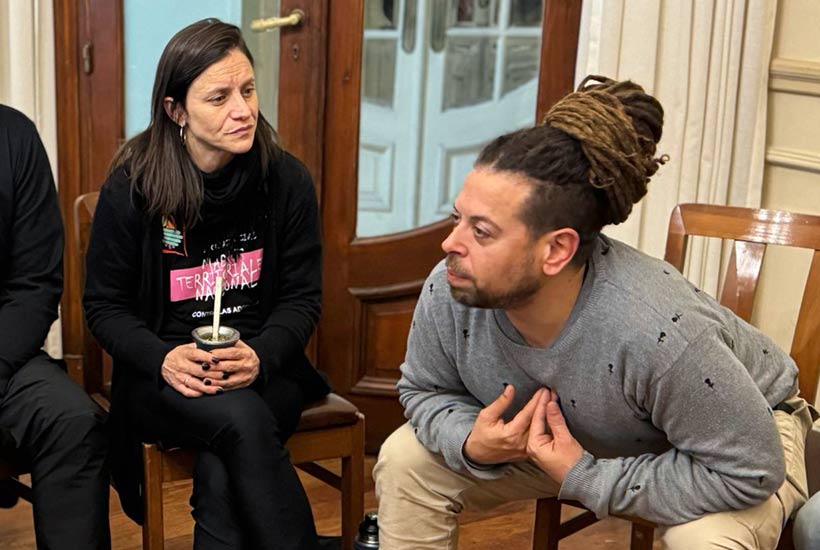
Peace in Our Cities (PiOC) promotes the exchange of knowledge and insights on violence reduction through peer-to-peer member exchanges.
Civil society organizations—from local implementing nonprofits to educational and cultural institutions—are essential agents in violence-prevention efforts. Inclusive, structural prevention requires that the viewpoints and knowledge of these groups be incorporated into policy at local, national, and global levels.
Report
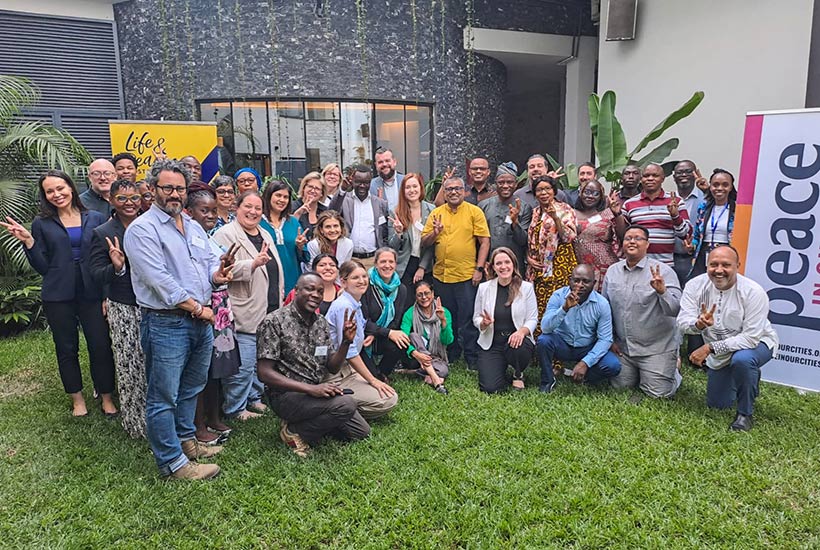
Peace in Our Cities Regional Member Workshop
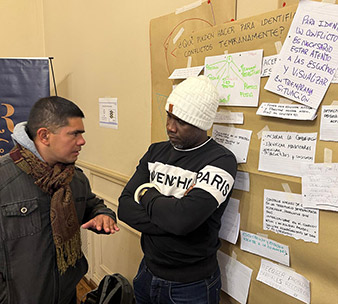
This workshop in Nairobi, Kenya, brought together members of the Peace in Our Cities network, including experts in violence reduction and representatives from local, regional, and global organizations, for interactive sessions, site visits, and collaborative dialogue on innovative approaches to addressing urban violence. The report offers insights on how local civil society and local government are effectively collaborating to address and prevent violence, including identity-based violence happening at scale.
Social media and other online communication and media-sharing platforms have revolutionized almost every aspect of societies globally. We seek to better understand how digital technologies can both incite and prevent violence, with the aim of uncovering news ways technology can contribute to structural violence prevention including at the community level.

Report
Disinformation and Identity-Based Violence
It is urgent to understand how coordinated disinformation campaigns can be weaponized by governments to control the information space, suppress human rights, and incite violence. Identity-based disinformation weaponizes racism, sexism, and xenophobia to incite violence against individuals and marginalized communities, stifle social movements, and silence the press. Responding will require technical and human solutions that are collaborative, locally relevant, and community-driven.
How we accomplish our goals
The Stanley Center brings together stakeholders from around the globe to exchange ideas, elevate marginalized voices, and take collective action to address three global challenges: mitigating climate change, avoiding the use of nuclear weapons, and preventing mass violence and atrocities.
Stanley Center team members are knowledgeable, strategic, and catalytic. But above all, we are partners, and we are committed to listening, learning, and, in consultation with those most affected by our work, charting a path forward toward peace.

Events
February 24-27, 2025
Peace in Our Cities Regional Member Workshop: Urbanization and Violence ReductionSubscribe for the Latest News & Publications


Questions about our work? Interested in collaborating?
Contact a member of our team working to prevent mass violence and atrocities.
Are you a journalist or in media?
In addition to our efforts to drive policy progress, the Stanley Center creates media trainings and forums, facilitates reporting fellowships, and regularly invites journalists to share their unique perspectives in policy conversations. Learn more about how to get involved.