

Climate Change
The Stanley Center works to achieve a peaceful, equitable, and livable climate future with global temperature rise safely limited to 1.5°C.
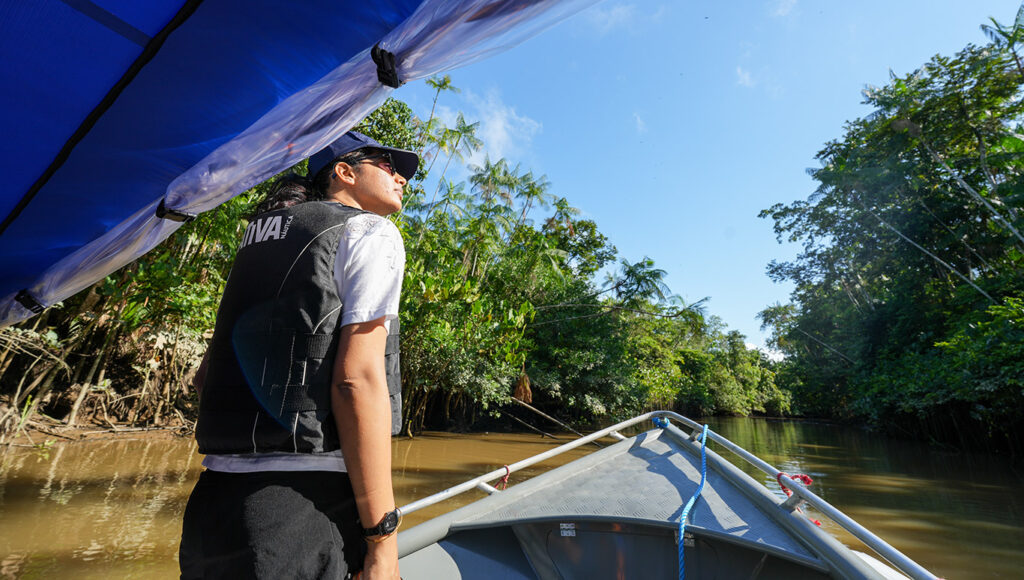
Safely limiting the increase in global temperatures remains critical for achieving global peace, justice, and equity.
Climate change has exacerbated food, health, energy, and economic crises in every corner of the planet, with compounding effects on inequity, division, and conflict.
The Stanley Center believes that building a peaceful, equitable, and livable climate future requires urgent, sustained action through the end of the decade, and that a commitment to limiting the rise of global temperatures to 1.5°C must underpin this action.
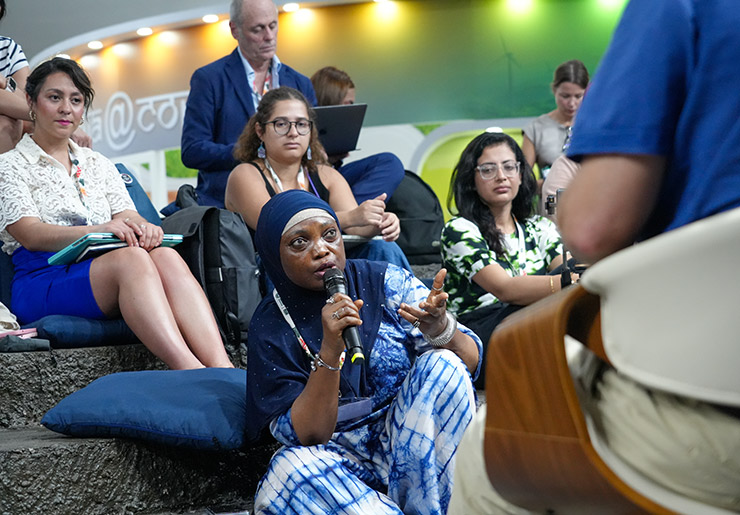

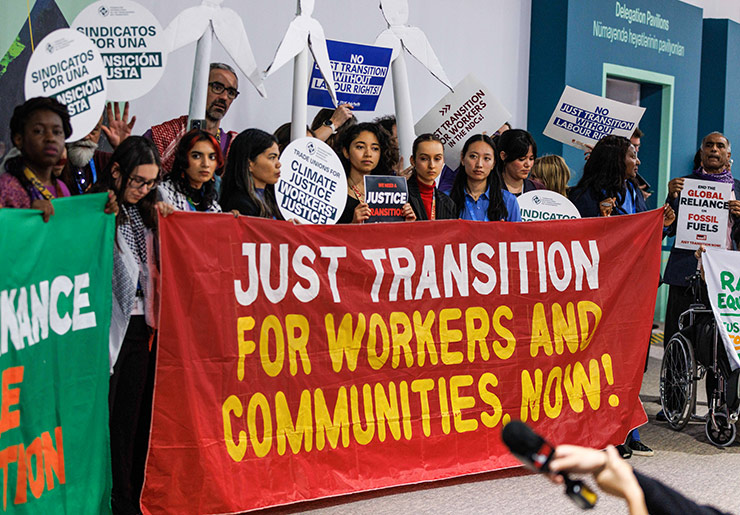
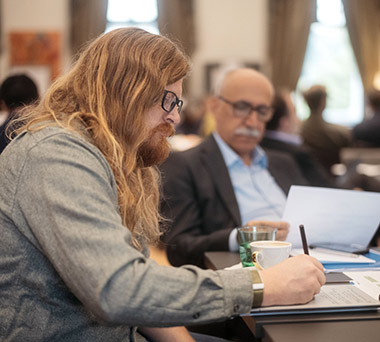

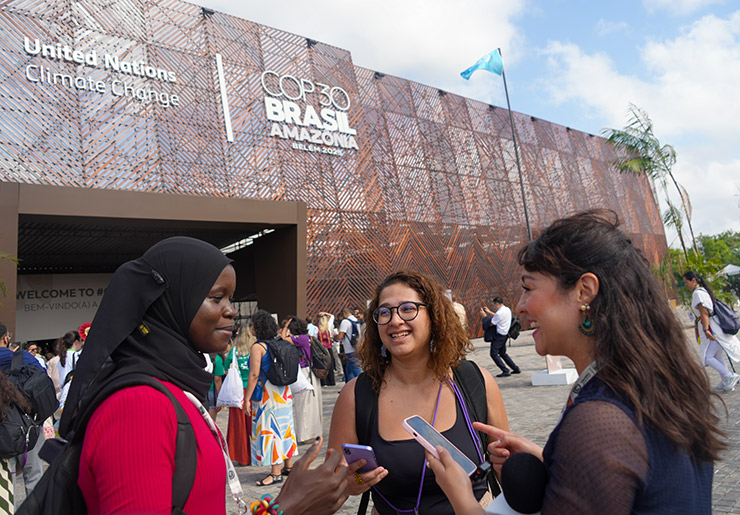
With more than a half century of experience guiding cooperation across borders and sectors, the Stanley Center nurtures progress on climate action and adaptation by ensuring that the voices of those most vulnerable to the effects of climate change are not only heard but centered.
Even as the world experiences multiple, intersecting crises, we see cause for hope on climate policy and an opportunity, as we nurture climate action, to strengthen global cooperation.
Our Goals
The United Nations Framework Convention on Climate Change (UNFCCC) process and the Paris Agreement remain the primary vehicles for creating global cooperation on climate change. To keep global temperature increases at or below 1.5 degrees Celsius, countries must act urgently to either meet or exceed the pledges they made by the year 2030. Non-state and subnational climate action will be essential to meeting these goals, and the Stanley Center works in partnership with those around the globe who share our vision of a peaceful, equitable, and livable climate future.

Report
Making the Just Transition Happen
This paper summarizes potential outcomes of the Just Transition Work Programme (JTWP), as discussed at a convening organized by the Stanley Center and Climate Action Network International (CAN-I). It helped guide and inform conversations that led to the adoption of the Belém Action Mechanism for Just Transition during COP30 in Brazil.
In all our work, we aim to identify areas of policy where our unique strengths as organizers, mobilizers, and champions of inclusive dialogue can cultivate policy change. Some of these policy areas—for example our commitment to limiting an increase in global temperatures to less than 1.5°C.—are areas of long-term work. Others evolve over time as new challenges and opportunities arise. Whether new or ongoing, our decision to pursue a specific transformation is always strategic and always rooted in a commitment to climate justice through collective action.
Convening
Realizing ASEAN Vision 2045
This convening in Kuala Lumpur, Malaysia, builds on a sequence of ASEAN chairmanships to address energy transition and green economy issues in Southeast Asia.
We know that achieving our policy goals will be challenging without cooperation among global governance systems and institutions—for example, the G7 and G20, the World Trade Organization, and global financial and development institutions like the World Bank. Working alongside our partners around the globe, the Stanley Center is committed to identifying concrete ways these organizations and systems can help nurture a livable climate future, as well as to coordinating effective, frequent engagement with these actors to ensure collective progress.
Convening
Pathways to Prosperity Post Fossil Fuels
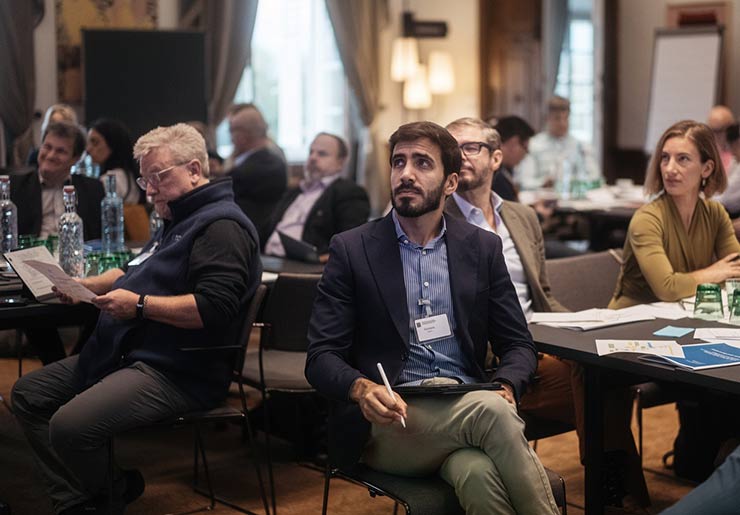
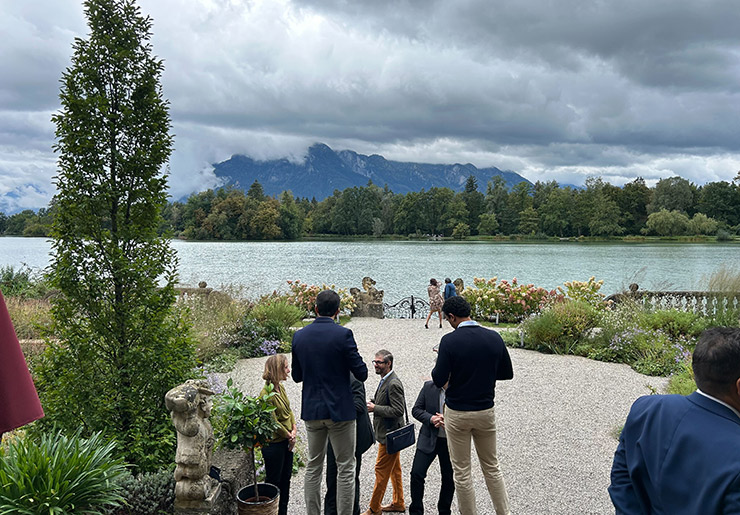
What does a just energy transition actually look like for countries that produce oil and gas? Policymakers, researchers, and advocates joined the Stanley Center, Salzburg Global, Climate Strategies, and the Windward Fund in Austria to help answer this important and timely question.
Around the world, many recognize that climate change is increasing threats to global peace and security. At the Stanley Center, we believe collective action to address climate change can be a multiplier that furthers global peace and security, as well justice and equity.
Report
The Geopolitics of the Energy Transition and Opportunities for International Cooperation
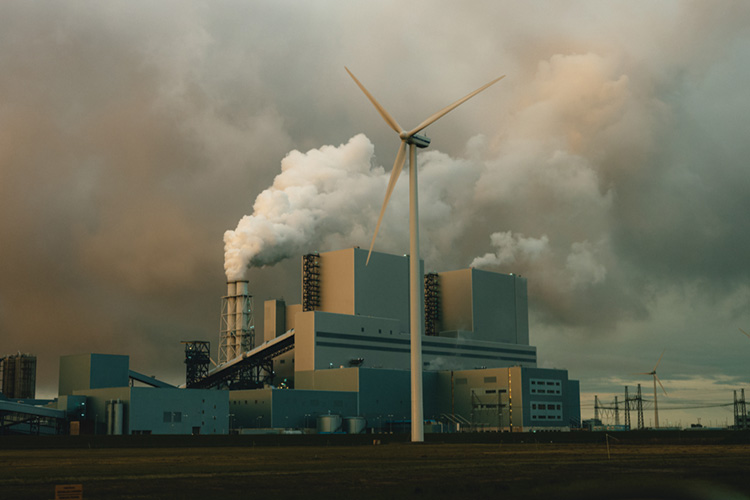
This report identifies limitations of current foreign policy and energy frameworks and reviews how differing dynamics between fossil fuel and renewable energy systems could drive changes in geopolitics, as discussed at a convening organized by the Stanley Center for Peace and Security and E3G.
How we accomplish our goals
The Stanley Center brings together people from around the globe to develop policy ideas, elevate marginalized voices, and take collective action to solve three global challenges: mitigating climate change, avoiding the use of nuclear weapons, and preventing mass violence and atrocities.
Stanley Center team members are knowledgeable, strategic, and catalytic. But above all, we are partners, and we are committed to listening, learning, and, in consultation with those most affected by our work, charting a path forward toward peace.

Events
November 7, 2026
Making BAM Happen: COP31 Strategy HuddleOctober 27, 2026
The Belém–Antalya Mechanism: Taking Stock Ahead of COP31Subscribe for the Latest News & Publications
Questions about our work? Interested in collaborating?
Contact a member of our team working to mitigate climate change.
Are you a journalist or in media?
In addition to our efforts to drive policy progress, the Stanley Center creates media trainings and forums, facilitates reporting fellowships, and regularly invites journalists to share their unique perspectives in policy conversations. Learn more about how to get involved.