
Nuclear Weapons
DSP participant shares story of Hiroshima newsroom’s extensive reporting on nuclear weapons issues
For 80 years, the Chugoku Shimbun has covered nuclear weapons with depth and urgency. As a participant at the Developing Story Project’s Hiroshima Journalism Workshop, Raksha Kumar met with staff at the newspaper and wrote about their story for the Reuters Institute.
Top photo: Developing Story Project participants, journalists from 18 countries (including Raksha Kumar, fourth from right), tour the newsroom of the Chugoku Shimbun in Hiroshima, Japan.
On the 80th anniversary of the first use of atomic weapons in war, the Stanley Center Journalism and Media Program’s Developing Story Project brought together 22 journalists from 18 countries for a workshop on nuclear weapons reporting. As part of the workshop activities, participants toured the offices of the Chugoku Shimbun, a daily newspaper in Hiroshima that has continuously reported on nuclear issues since the dropping of the atomic bomb in 1945.
Raksha Kumar, a freelance journalist with a specific focus on human rights, wrote about the journalists at the Chugoku Shimbun who continue reporting on the implications of the nuclear bombing in Hiroshima with the urgency of breaking news. They tell the stories of the survivors—called hibakusha—and publish their perspectives on the catastrophic consequences of nuclear weapons.
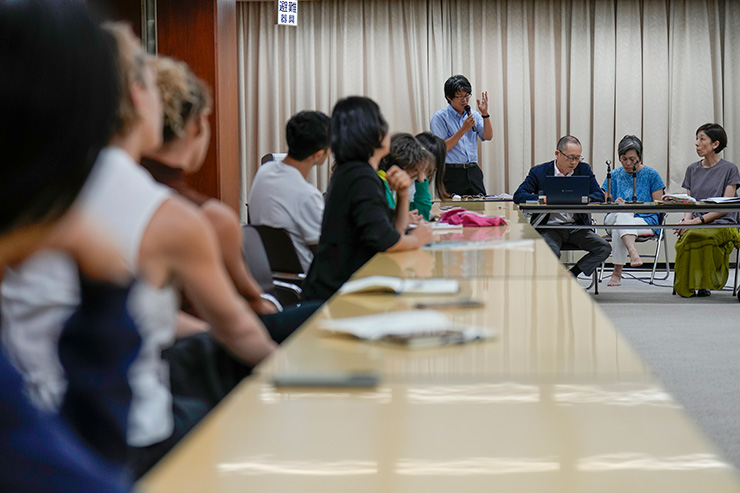
Reporters from the Chugoku Shimbun speak about their work covering the long aftermath of the nuclear bomb that was dropped on Hiroshima in 1945.
Cultivating relationships and honing skills among journalists reporting on nuclear weapons will help keep these stories alive. The Developing Story Project’s mission is to help grow this international network of reporters. Raksha Kumar’s story, published by the Reuters Institute for the Study of Journalism, is one example of many more to come:
Another area of focus for the Chugoku Shimbun involves handing down the experiences of the atomic bombing to younger generations.
The 400-strong newsroom comes together to plan stories that should be published in August every year.
Last August, they started a series simply called Documenting Hiroshima. It is an ongoing series rigorously researched based on records and testimonies of citizens of that time. “We have tried to get to the story from all angles possible,” said senior writer Kyosuke Mizukawa, who has anchored the project. They have published one story almost every day since August 2024.
The newspaper is now working on this 80-year-old story with a true sense of urgency. “Most atomic bomb survivors are in their 80s, and there will soon come a time none of them will be around,” said senior staff writer Michiko Tanaka. “Many don’t have clear memories already.”